
Senior Ferret Care
Ferrets are considered geriatric by age 3. This guide covers what changes to expect, how to manage age-related conditions, and how to keep your senior ferret comfortable and happy through every stage.
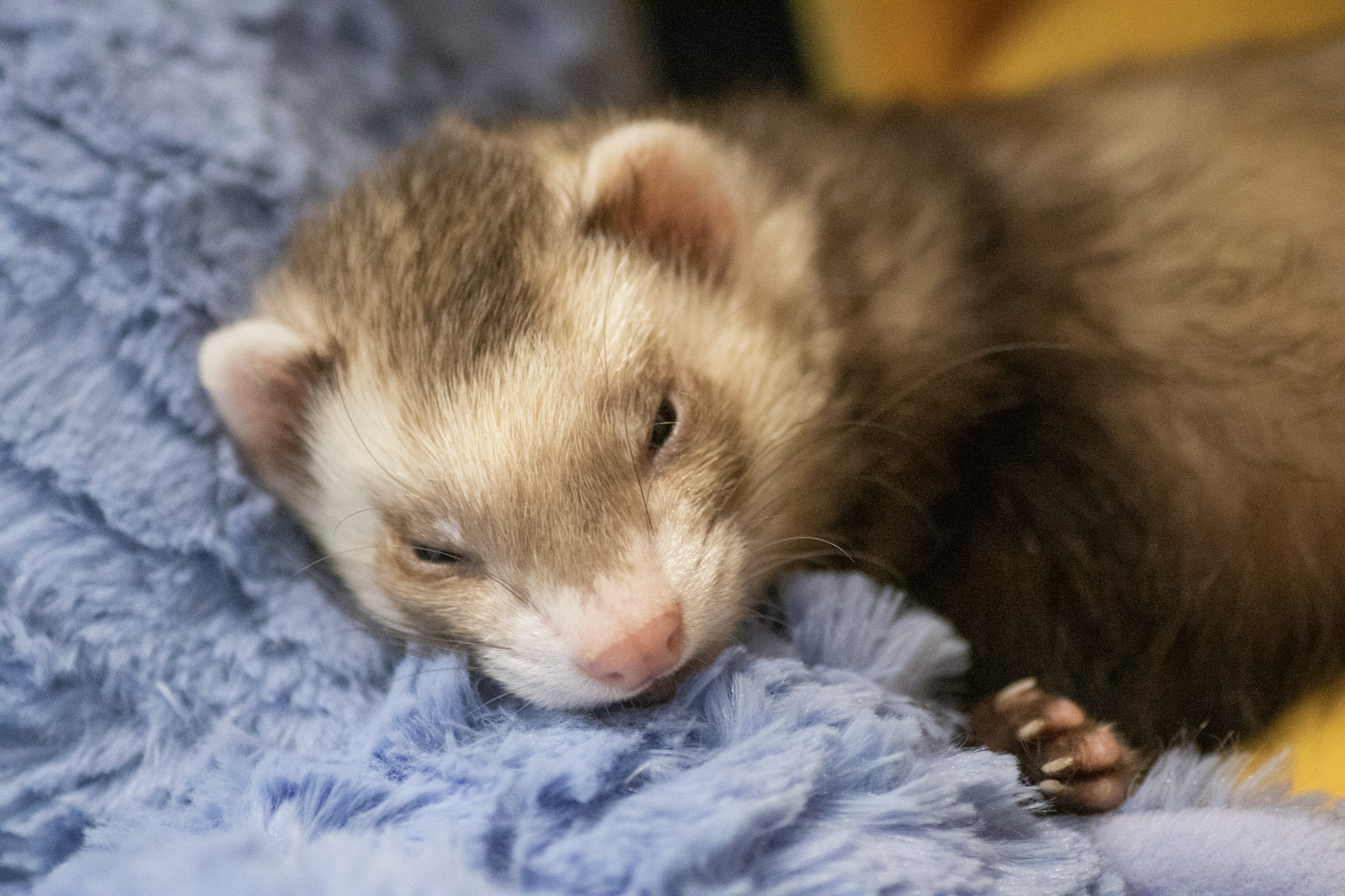
What Counts as "Senior"
Monitor at HomeOverview
Ferrets age faster than most people realize. Veterinary literature consistently defines ferrets as geriatric beginning at 3 years of age . Lifespan varies by origin, typically 5-7 years for mill-bred pet store ferrets, longer for breeder or European-line ferrets. This is when screening for age-related diseases like insulinoma, adrenal disease, lymphoma, and cardiomyopathy becomes essential.
What to know
- Ferrets are considered geriatric at 3 years of age, this is the clinical threshold for increased screening
- Lifespan varies significantly by origin. Pet store ferrets (predominantly early-sterilized Marshall or similar mill stock) typically live 5-7 years, with age-related disease often appearing by 3-4. Ferrets from dedicated breeders or European lines may live 8-10 years
- By age 3, schedule vet visits every 6 months instead of annually. Establish baseline lab values at this age
- The geriatric threshold of 3 years applies regardless of origin, early-sterilized ferrets in particular should begin biannual screening at 3 because adrenal disease risk is elevated by early neutering
- Origin is the key variable in lifespan, early sterilization (standard at US pet stores) is linked to higher adrenal disease rates, which shortens average lifespan in that population
Common mistakes
- Assuming your ferret is "still young" at 3, in ferret terms, 3 is middle-aged to senior
- Waiting until symptoms appear before increasing vet visits, age-related conditions often start silently
- Comparing ferret lifespan to cats or dogs, ferrets age on a compressed timeline and need earlier intervention
Weight and Muscle Changes
Call Your VetOverview
Weight loss and muscle wasting are common in aging ferrets and can be caused by many things, from a natural decline in the sense of smell (making food less appealing) to serious conditions like insulinoma, adrenal disease, lymphoma, or cardiomyopathy . Some senior ferrets simply eat less and lose weight even with normal teeth and no systemic disease . Gradual changes are easy to miss day-to-day, so monitoring weight regularly matters.
What to know
- Weigh your ferret weekly on a kitchen scale and track the numbers. Gradual loss of 1.8-3.5oz (50-100g) over weeks is easy to miss visually but significant for a small animal
- Normal seasonal weight fluctuation can be up to 40% of body weight (heavier in winter, lighter in summer), learn your ferret's pattern
- If your ferret is eating less, try softening kibble with warm water. The warmth releases more scent, which helps ferrets whose sense of smell is declining
- Offering food more frequently throughout the day can help, stale food loses its scent and appeal to senior ferrets
- Meat-based baby food (no onion, no garlic, no seasoning) or a small amount of Nutri-Cal can be mixed in to increase palatability for reluctant eaters
Common mistakes
- Dismissing weight loss as "just getting old" without a vet check, weight loss is a symptom, not a normal aging process on its own
- Free-feeding only dry kibble to a senior who has lost interest in food, adapt the presentation
- Ignoring muscle wasting along the spine or hind legs, this warrants bloodwork to rule out insulinoma or other conditions
Managing Insulinoma in Seniors
EmergencyOverview
Insulinoma, a tumor of the insulin-producing cells of the pancreas, is one of the most common cancers in ferrets and typically presents around 4-5 years of age, though ferrets as young as 2 have been diagnosed . It causes dangerously low blood sugar (hypoglycemia), which can lead to seizures, collapse, and death if untreated. Management is lifelong and centers on frequent feeding, dietary control, and often medication.
What to know
- Feed every 2-4 hours. Food must be available at all times, use multiple feeding stations. Never let an insulinoma ferret go without food
- Avoid all sugary treats, fruits, and high-carbohydrate foods, these cause a dangerous insulin spike followed by a crash
- High-protein, high-fat, low-carbohydrate food is essential. This slows glucose absorption and reduces insulin surges
- Pawing at the mouth is a hallmark sign of ferret insulinoma, it is not normal behavior and warrants immediate vet evaluation
- Know the emergency protocol: if your ferret has a seizure or collapses, rub a small amount of honey or corn syrup on the gums and go to the emergency vet immediately
- Medical management typically involves prednisone or prednisolone to raise blood glucose, and diazoxide in advanced cases
Common mistakes
- Giving sugary treats "just this once", even small amounts of sugar can trigger a dangerous hypoglycemic episode
- Letting food bowls go empty, an insulinoma ferret without food access is at risk of a life-threatening crash
- Assuming a ferret is "just sleepy" when they are lethargic or unresponsive, check for hypoglycemia signs
- Delaying vet evaluation for pawing at the mouth, hind-leg weakness, or staring blankly into space
Managing Adrenal Disease in Seniors
Call Your VetOverview
Adrenal gland disease affects approximately 70% of pet ferrets in the United States, with an average age of onset between 3.5-4.5 years . The adrenal glands overproduce sex hormones, causing hair loss, itching, and in males, potentially life-threatening urinary blockage from prostate enlargement. Early sterilization, standard practice at US pet stores, is suspected to contribute to this condition . While not usually an emergency in itself, untreated adrenal disease progressively worsens and can cause serious complications.
What to know
- The most common sign is progressive hair loss starting at the base of the tail and spreading forward, this occurs in over 90% of adrenal cases
- Treatment options include the Suprelorin (deslorelin) implant, Lupron injections, or surgical removal of the affected adrenal gland, discuss the best approach with your vet
- Melatonin implants can help manage symptoms and may slow progression, though they do not treat the underlying disease
- Male ferrets with adrenal disease are at risk of urinary blockage from prostate enlargement, difficulty urinating or straining IS an emergency
- Swollen vulva in a spayed female is a hallmark sign, this is not normal and should prompt a vet visit
- Regular monitoring every 6 months allows your vet to track progression and adjust treatment
Common mistakes
- Ignoring hair loss as "seasonal shedding" if it does not grow back, bilateral, symmetrical hair loss is a red flag
- Skipping treatment because your ferret "seems fine otherwise", adrenal disease is progressive and complications develop over time
- Delaying vet care if a male ferret has any difficulty urinating, prostate blockage can be fatal within hours
Dietary Adjustments for Seniors
Monitor at HomeOverview
Feeding a senior ferret requires more attention than feeding a young one. As ferrets age, their sense of smell declines, their appetite may drop, and their nutritional needs may shift depending on health conditions . Some sources recommend reducing protein below 35% to protect kidney function, but veterinary textbooks note there is no evidence that lower protein prevents chronic interstitial nephritis in ferrets . The priority is maintaining adequate caloric intake and adapting food presentation to keep your senior eating well.
What to know
- Keep food high-protein and high-fat unless your vet specifically recommends otherwise for a diagnosed condition. Ferrets are obligate carnivores at every life stage
- Soften dry kibble with warm water to release scent and make it easier to eat, this helps ferrets with declining smell and dental issues
- Offer food more frequently rather than relying on a single bowl. Stale food loses its appeal to seniors with reduced olfactory function
- If your ferret has been diagnosed with insulinoma, feed every 2-4 hours with high-protein, high-fat, zero-sugar meals
- Ferrets with terminal illness or advanced disease need extra meals and fortifying supplements to maintain body condition
- Commercial senior ferret foods exist, but switching an older ferret to a new food can be extremely stressful, the benefits may not outweigh the disruption
Common mistakes
- Switching to a lower-protein diet without veterinary guidance, there is no evidence this prevents kidney disease in ferrets
- Dramatically changing food brands or types in an older ferret, food imprinting makes transitions very difficult and the stress may do more harm than good
- Offering fruits, vegetables, or grain-based treats, these provide no nutritional value and can exacerbate insulinoma
- Assuming soft or warm food means "baby food only", ferrets still need their primary diet; baby food is a supplement or palatability enhancer, not a meal replacement
Quality of Life Indicators
Monitor at HomeOverview
Monitoring quality of life in a senior ferret means watching the whole picture, not just individual symptoms. Many age-related changes like cataracts, hearing loss, and reduced activity may not significantly affect a ferret's happiness . What matters most is whether your ferret is still eating, playing (even briefly), responding to you, and showing interest in their environment. The "real secret" to quality of life in geriatric ferrets, according to clinical literature, is the faithful care of an owner willing to hand-feed an old or ill ferret at any and all hours .
What to know
- Track these daily: Is your ferret eating? Drinking? Eliminating normally? Showing interest in play or interaction, even for short bursts?
- Cataracts and hearing loss are common in senior ferrets but often do not significantly impair quality of life, ferrets rely heavily on smell and whisker sensation
- Reduced playtime is normal as ferrets age. A senior who plays for 15 minutes instead of 2 hours is not necessarily suffering, look at overall engagement
- Pain signs in ferrets can be subtle: grinding teeth (bruxism), reluctance to move, flinching when picked up, or hunching posture
- Keep their environment accessible, ramp access to favorite spots, lower litter box edges, soft bedding at ground level
- Weight, appetite, and responsiveness are the most reliable daily indicators. Track these consistently.
Common mistakes
- Equating "less active" with "suffering", senior ferrets naturally slow down, and many are content sleeping more
- Ignoring subtle pain signs because your ferret "doesn't cry", ferrets are stoic prey animals and hide pain
- Making quality-of-life decisions based on a single bad day, look at the trend over days and weeks
Increased Vet Visit Frequency
Call Your VetOverview
Once a ferret turns 3, the recommended vet schedule shifts from annual to every 6 months . This is because the "Big Three" ferret cancers, insulinoma, adrenal disease, and lymphoma, typically appear between ages 3 and 5, and early detection dramatically improves management options. These visits should include a full physical exam, bloodwork, and imaging as your vet recommends.
What to know
- From age 3 onward: physical exams every 6 months with abdominal palpation
- Establish baseline bloodwork at age 3, this gives your vet a "normal" reference point for your individual ferret. Lab values annually until age 5, then every 6 months
- Whole-body radiographs and abdominal ultrasound annually, or more frequently if adrenal abnormalities are detected
- Dental cleaning under anesthesia every 6 months for seniors, soft food diets increase plaque buildup
- Cardiac auscultation at every visit. If cardiomegaly (enlarged heart) is detected on imaging, an ECG should follow
- Blood glucose monitoring is critical from age 3, a fasting glucose below 60 mg/dL suggests insulinoma
Common mistakes
- Sticking to annual visits after age 3, this is the single most common owner mistake with senior ferrets. Six months in ferret time is like 3-4 years in human time.
- Skipping bloodwork because your ferret "looks fine", insulinoma, kidney disease, and other conditions often show up in labs before clinical signs appear
- Declining imaging because of cost, abdominal ultrasound is the primary way to detect adrenal tumors and splenomegaly early
End-of-Life Decisions
Monitor at HomeOverview
This is the hardest part of loving a ferret. Because they live only 5-7 years on average, most ferret owners face end-of-life decisions sooner than they expect. There are no easy answers and no universal rules, only you, your ferret, and your vet can navigate this together. What follows is a framework to help you think through the process, not a checklist with a pass/fail score.
What to know
- Talk to your vet early and honestly. Before you are in crisis, have a conversation about your ferret's trajectory and what the end-of-life process looks like. Knowing what to expect helps when the time comes.
- Quality of life assessments are about the overall pattern, not a single moment. Ask yourself: over the past week, has my ferret had more good hours than bad ones? Are they still finding moments of comfort, connection, or enjoyment?
- There is no shame in choosing humane euthanasia when your ferret's suffering cannot be meaningfully managed. It is a gift of mercy, not a failure of love.
- Some owners find it helpful to keep a simple daily journal, just a few words about eating, energy, and mood. Looking back at a week of entries often makes the picture clearer than any single observation.
- If you are unsure, ask your vet for a quality-of-life consultation. Many exotic-animal vets offer these specifically to help owners make informed, compassionate decisions.
- Grief is real and valid. Losing a ferret after 5-7 years of daily companionship is a significant loss. There are pet loss hotlines, support groups, and communities that understand.
Common mistakes
- Waiting until your ferret is in severe, unmanageable pain before considering end-of-life options, "better a week too early than a day too late" is a compassionate guiding principle
- Letting guilt drive the decision in either direction, neither prolonging suffering out of fear of letting go, nor rushing because it is hard to watch
- Making the decision alone if you do not have to, lean on your vet, your partner, a trusted friend, or a pet loss support community
Senior care guidance is sourced from Delaney (2017) Ferret Medicine and Surgery, Delaney (2014) Ferret Nutrition, Iske et al. (2024) Update on Ferret Nutritional Factors, Pilny (2004) on insulinoma, Freilicher (2008) on adrenal disease, and Fox & Marini (2014) Biology and Diseases of the Ferret. View our sources →
Stay current on ferret care.
Join our email list for tips on senior care, health, diet, and enrichment.
We also recommend bookmarking this site for quick reference.